How Many Solar Panels Do I Need to Charge a Power Station?
Suncis is reader-supported. If you buy through links on this page, we may earn a small commission at no extra cost to you. As an Amazon Associate, Suncis earns from qualifying purchases. Learn more.
Solar panels turn your power station into a backup system that can keep going for days. But how many panels do you actually need? Too few, and your battery never fills up. Too many, and you’ve wasted money or, worse, plugged in more than your power station can handle.
Here’s a simple way to get it right.
The simple formula
Daily solar energy (Wh) = Panel watts × Peak sun hours × 0.75
- Panel watts: The rating on the panel, like 100 W or 200 W.
- Peak sun hours: The number of hours of strong, direct sun per day. Much of the Southeast, including Tennessee, averages about 4 to 5 peak sun hours, less in winter and on cloudy days.
- 0.75: Real-world panels rarely hit their full rating. Heat, angle, dust, and clouds usually cut output to about 70 to 80%.
Example: One 200 W panel × 4.5 sun hours × 0.75 = about 675 Wh per day.
Charging time chart
This chart shows about how many peak sun hours it takes to fully charge a power station from empty, using the formula above.
| Power station size | 200 W of panels | 400 W of panels | 800 W of panels |
|---|---|---|---|
| 1,000 Wh | about 6.5 hours | about 3.5 hours | under 2 hours* |
| 2,000 Wh | about 13 hours (2 to 3 days) | about 6.5 hours | about 3.5 hours* |
| 3,000 Wh | about 20 hours (4 to 5 days) | about 10 hours (2 days) | about 5 hours* |
* Only if your power station’s maximum solar input is 800 W or more. Check the spec sheet.
A good rule of thumb
For a power station you want to refill in one sunny day, aim for roughly solar watts = 30 to 40% of battery size.
- 1,000 Wh station: about 200 to 400 W of panels
- 2,000 Wh station: about 400 to 800 W of panels
- 3,000 Wh station: about 800 W or more (if the station supports it)
4 specs to check before you buy panels
- Maximum solar input (watts). Your power station can only take in so much. If it’s rated for 500 W, adding 800 W of panels won’t charge it faster.
- Voltage range (V). Each power station accepts a certain voltage range. When you connect panels in a chain (called series), the voltages add up. Going over the limit can damage your unit, so check the numbers or use panels the brand recommends.
- Connector type. Panels and power stations use different plugs (like MC4, XT60, or Anderson). You may need an adapter cable.
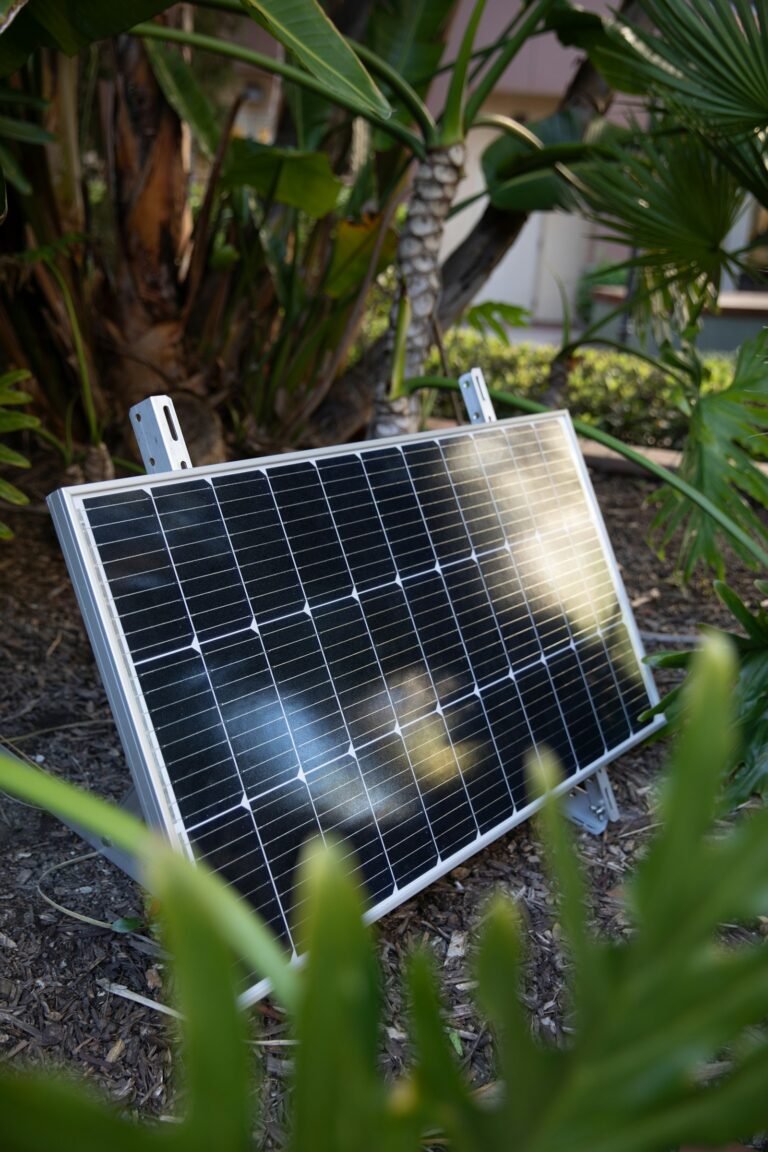
- Portable vs rigid panels. Foldable panels are easy to store and set up for outages. Rigid panels are cheaper per watt and more durable if you leave them up all the time.
Two panels worth a look: the Jackery SolarSaga 100 Prime (100W, light and easy for one person) and the EcoFlow 220W Bifacial Panel (more power, so it charges about twice as fast). Check that the plug fits your power station before you buy.
Tips to get the most from your panels
- Face the panels south and tilt them toward the sun. Adjust them a couple of times a day if you can.
- Avoid shade. Even a small shadow on part of a panel can cut its output a lot.
- Keep them clean. Dust and pollen reduce output.
- Mind the heat. Panels work best when they’re cool, so give them airflow behind them.
Easiest option: buy a bundle
If all this sounds like too much, buy a solar generator kit, a power station sold with matching panels. The brand has already matched the watts, voltage, and connectors for you. Jackery, EcoFlow, and Bluetti all sell them. Compare them in our EcoFlow vs Jackery vs Bluetti guide.
The bottom line
Multiply panel watts by about 4.5 sun hours and 0.75 to see what you’ll get each day. For a quick refill in one sunny day, aim for solar watts equal to about a third of your battery size, and never go over your power station’s maximum solar input or voltage.
Next, see how long your power station will run a fridge so you know how much solar you’ll need to keep up.