Solar Generator vs Gas Generator: Which Is Better for Home Backup?
Suncis is reader-supported. If you buy through links on this page, we may earn a small commission at no extra cost to you. As an Amazon Associate, Suncis earns from qualifying purchases. Learn more.
If you want backup power for your home, you will hear 2 main options: a classic gas generator, or a solar generator (a battery power station charged by solar panels). Both can keep your lights and fridge on. But they work very differently.
What is a solar generator?
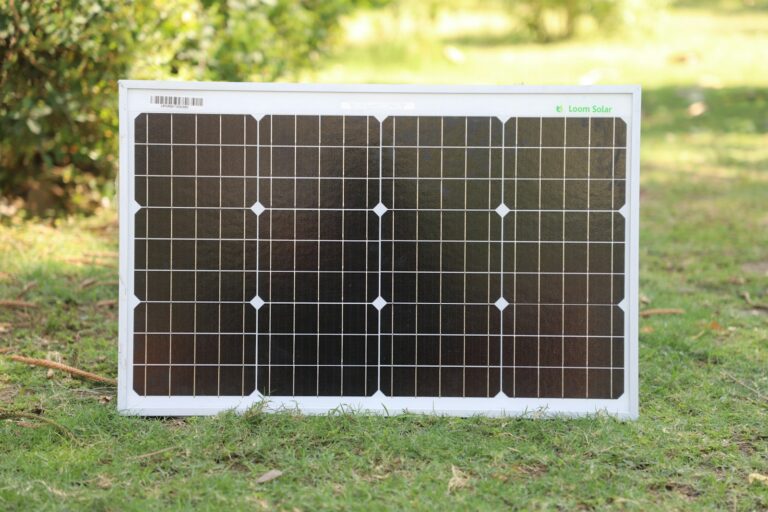
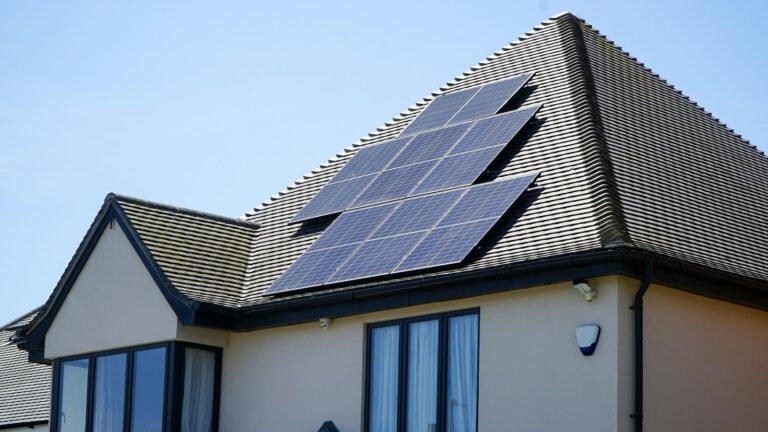
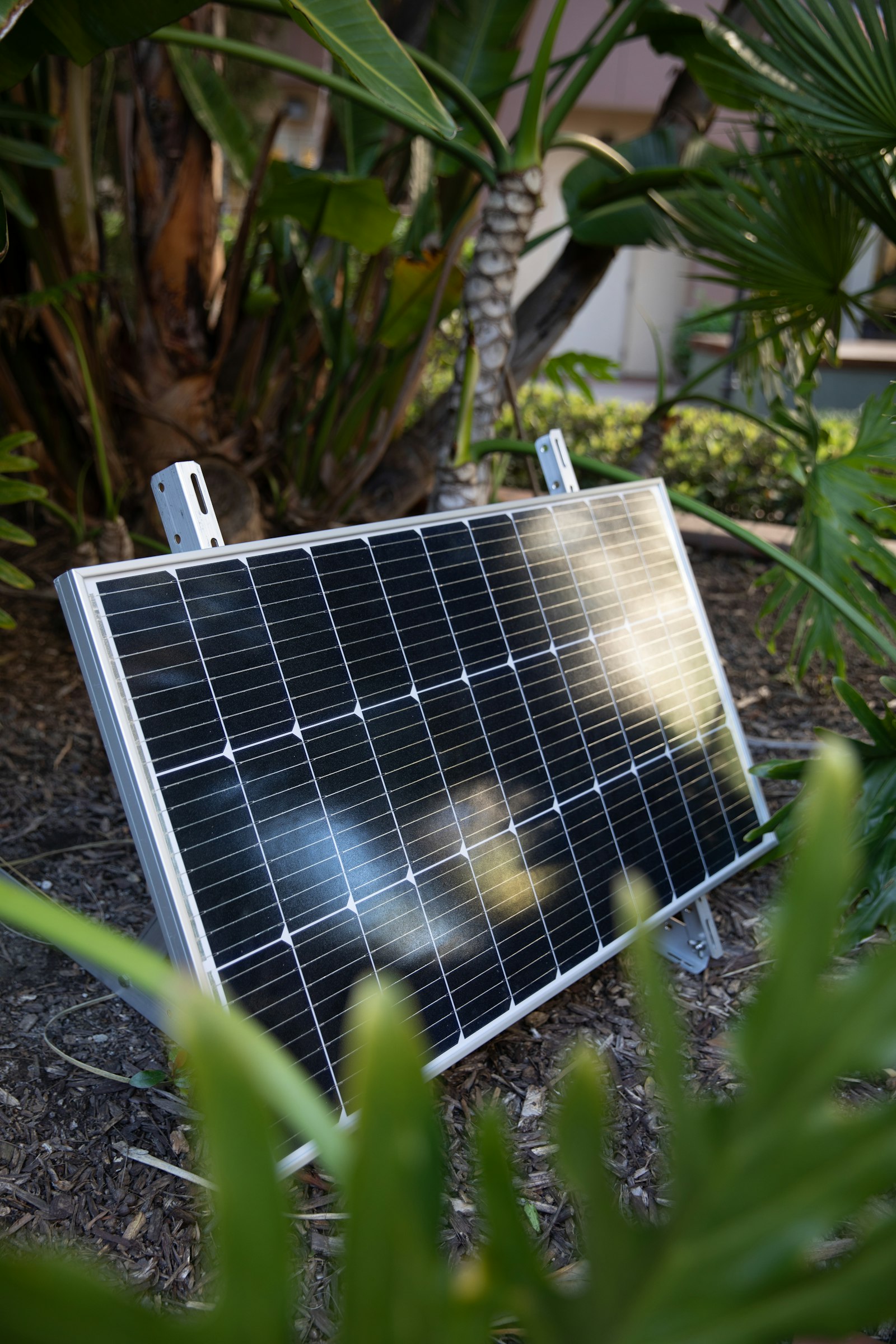
A “solar generator” is not really a generator. It is a big rechargeable battery (a portable power station) plus solar panels to recharge it. You can also charge it from a wall outlet or your car.
Side-by-side comparison
| Solar generator | Gas generator | |
|---|---|---|
| Noise | Silent | Loud (like a lawnmower) |
| Use indoors? | Yes, no fumes | Never. Deadly carbon monoxide |
| Fuel | Sunlight or wall power | Gasoline (must store and rotate it) |
| Runtime | Limited by battery size and sun | As long as you have fuel |
| Power for heavy appliances | Good to very good (large models) | Very good |
| Upfront cost | Higher per watt | Lower per watt |
| Running cost | Almost zero | Fuel, oil changes, repairs |
| Maintenance | Very little | Oil, spark plugs, fuel stabilizer |
| Start-up | Press a button | Pull-start or electric start, needs regular test runs |
When a solar generator is better
- You live in an apartment, condo, or a house with no safe outdoor spot for a generator.
- Most outages in your area last hours, not weeks.
- You want something quiet that you can also take camping or to job sites.
- You don’t want to store gasoline or do engine maintenance.
- You have medical devices like a CPAP and need power right away, inside the bedroom.
When a gas generator is better
- Your power can go out for many days at a time (hurricanes, ice storms).
- You need to run big loads like a well pump, central AC, or an electric water heater.
- You have a lower budget and need the most watts per dollar.
Safety: the most important difference
Gas generators produce carbon monoxide, an invisible, odorless gas that can kill within minutes. Never run a gas generator inside your home, garage, basement, or near open windows, even with the doors open. The CDC advises keeping generators at least 20 feet from your home. Always use a battery-powered carbon monoxide alarm.
Solar generators have no exhaust, so this risk does not exist. That is a big reason more families are switching.
The smart answer for many homes: both
Many people now use a power station for everyday, short outages (quiet and instant), and keep a small gas or dual-fuel generator for long, multi-day outages to recharge the battery. You get silence and safety most of the time, with backup for the worst storms.
Our recommendation
For most households, start with a solar generator around 1,000–2,000Wh with one or two solar panels. It covers the fridge, Wi-Fi, lights, and phones during typical outages, with zero fuel and zero fumes.
Not sure what size? Read How Many Watts Do You Need During a Power Outage?, then see our best portable power stations for home backup.