Power Outage Checklist for Families: What to Have Ready Before a Storm
Suncis is reader-supported. If you buy through links on this page, we may earn a small commission at no extra cost to you. As an Amazon Associate, Suncis earns from qualifying purchases. Learn more.
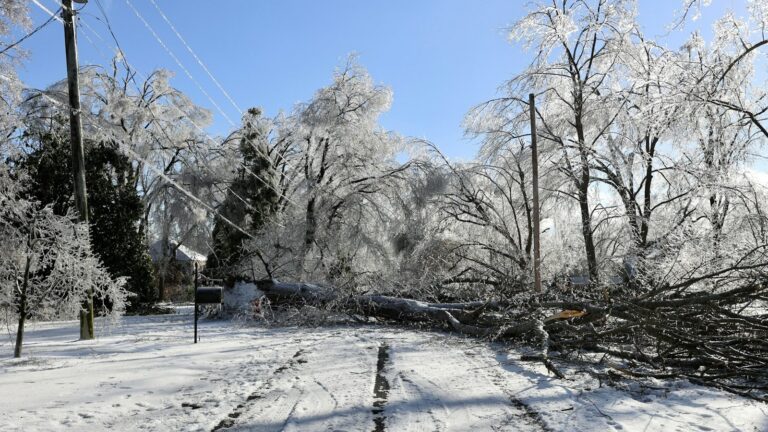
Storms, ice, and heat waves can knock out power for hours or even days. The families who handle it best aren’t the ones with the fanciest gear. They’re the ones who got ready before the storm. Use this checklist to prepare your home in one afternoon.
Before the storm: the basics
Light
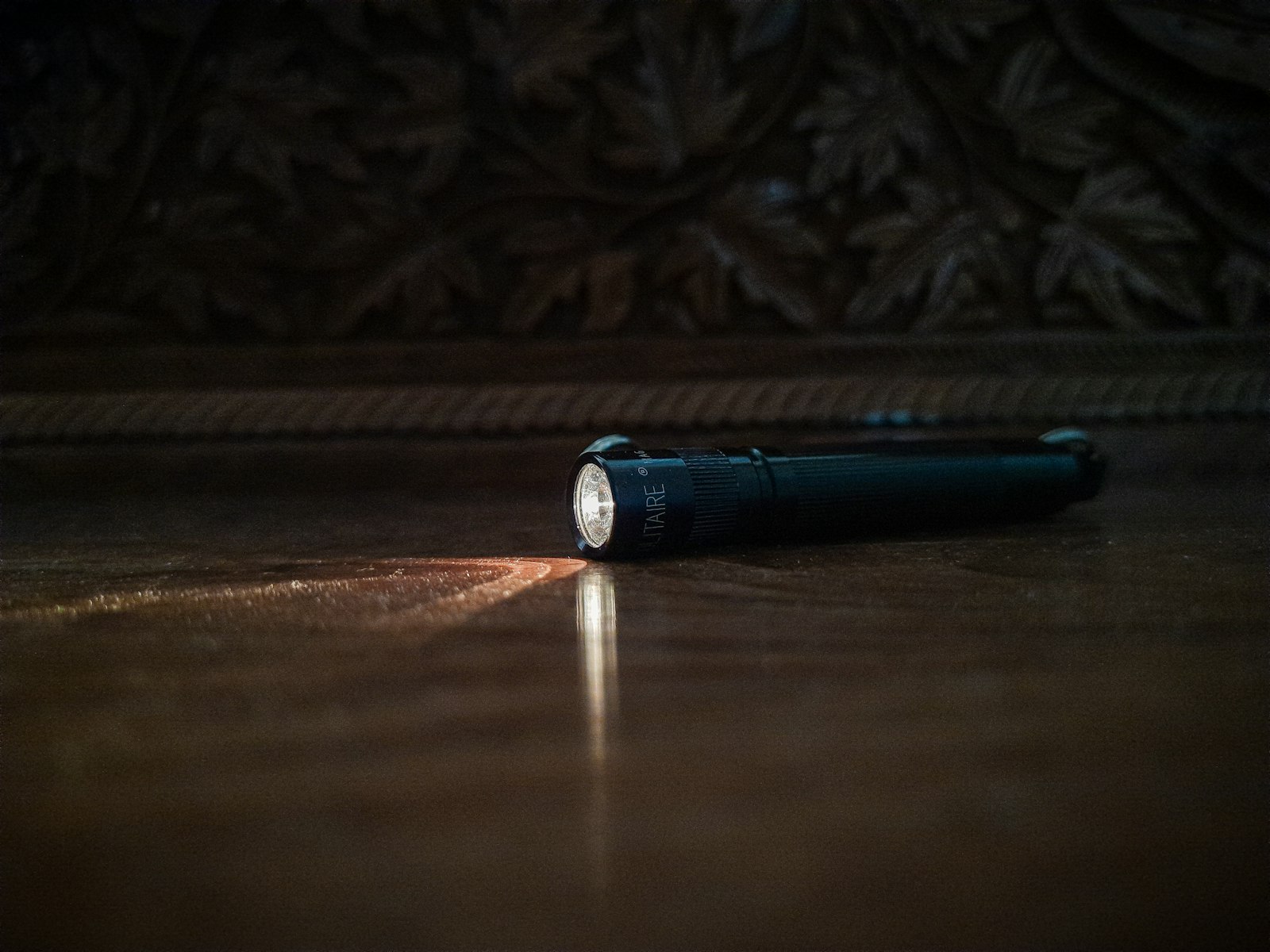
- Flashlights or LED lanterns, one per person
- Extra batteries (check that they fit your flashlights)
- Headlamps, great for kids and for cooking in the dark
- Skip the candles if you can. They’re a fire risk, especially with children and pets.
Water and food
- Water: At least 1 gallon per person per day, for 3 days or more
- Food that doesn’t need cooking: peanut butter, crackers, canned fruit, granola bars, cereal
- A manual can opener
- Extra baby formula, pet food, and anything special your family needs
Health and safety
- First aid kit
- At least a week of any prescription medicines
- A battery-powered carbon monoxide detector
- Fire extinguisher
- Copies of important papers in a waterproof bag
Power and communication
- Charge everything when a storm is on the way: phones, tablets, power banks, and your power station.
- Power banks for each phone
- A portable power station for the fridge, Wi-Fi, lights, and medical devices. Not sure what size? Check our runtime chart.
- A battery or hand-crank weather radio
- A written list of important phone numbers, in case your phone dies
- Sign up for your local power company’s outage text alerts
Keeping warm or cool
- Winter: Extra blankets, sleeping bags, warm hats, and layers. Close off rooms you aren’t using and gather everyone in one room.
- Summer: Battery-powered fans, cool water, and a plan to go somewhere with AC (a library, mall, or a friend’s house) if it gets too hot.
- Never use a gas stove, oven, or grill to heat your home.
Keeping food safe
- Keep the fridge and freezer closed as much as possible.
- A closed fridge keeps food cold for about 4 hours.
- A full freezer stays frozen for about 48 hours (about 24 hours if half full).
- Keep an appliance thermometer in the fridge. If food has been above 40°F for more than 2 hours, throw it out. When in doubt, throw it out.
- Freeze containers of water ahead of time. They help keep the freezer cold, and you can drink them as they melt.
If you use a gas generator
Gas generators are powerful, but they create carbon monoxide, a deadly gas you can’t see or smell.
- Never run a generator inside your home, garage, basement, or near open windows.
- Keep it at least 20 feet away from your home, with the exhaust pointing away.
- Never plug a generator into a wall outlet (“backfeeding”). It can hurt utility workers and damage your home. Use heavy-duty extension cords or a transfer switch installed by an electrician.
A battery power station or solar generator is safe to use indoors because it makes no fumes. Compare the two in solar generator vs gas generator.
When the power goes out
- Check if it’s just you. Look at your neighbors’ lights and check your breaker box.
- Report the outage to your power company.
- Unplug sensitive electronics (TVs, computers) to protect them from a surge when power returns.
- Leave one light switched on so you know when the power is back.
- Stay away from downed power lines. Always assume they’re live.
After the power comes back
- Plug things back in slowly, a few at a time.
- Check your food (see the food safety rules above).
- Recharge your power station, power banks, and flashlights right away so you’re ready for next time.
- Restock anything you used.
The bottom line
Preparing for an outage doesn’t take much: light, water, food, medicine, charged phones, and a safe way to power your fridge and Wi-Fi. Do it once, keep it all in one bin, and check it twice a year, like when the clocks change.
Thinking about backup power? Start with our guides to how many watts you need and the best portable power stations.