Winter Power Outage Prep: How to Stay Warm and Safe
Suncis is reader-supported. If you buy through links on this page, we may earn a small commission at no extra cost to you. As an Amazon Associate, Suncis earns from qualifying purchases. Learn more.
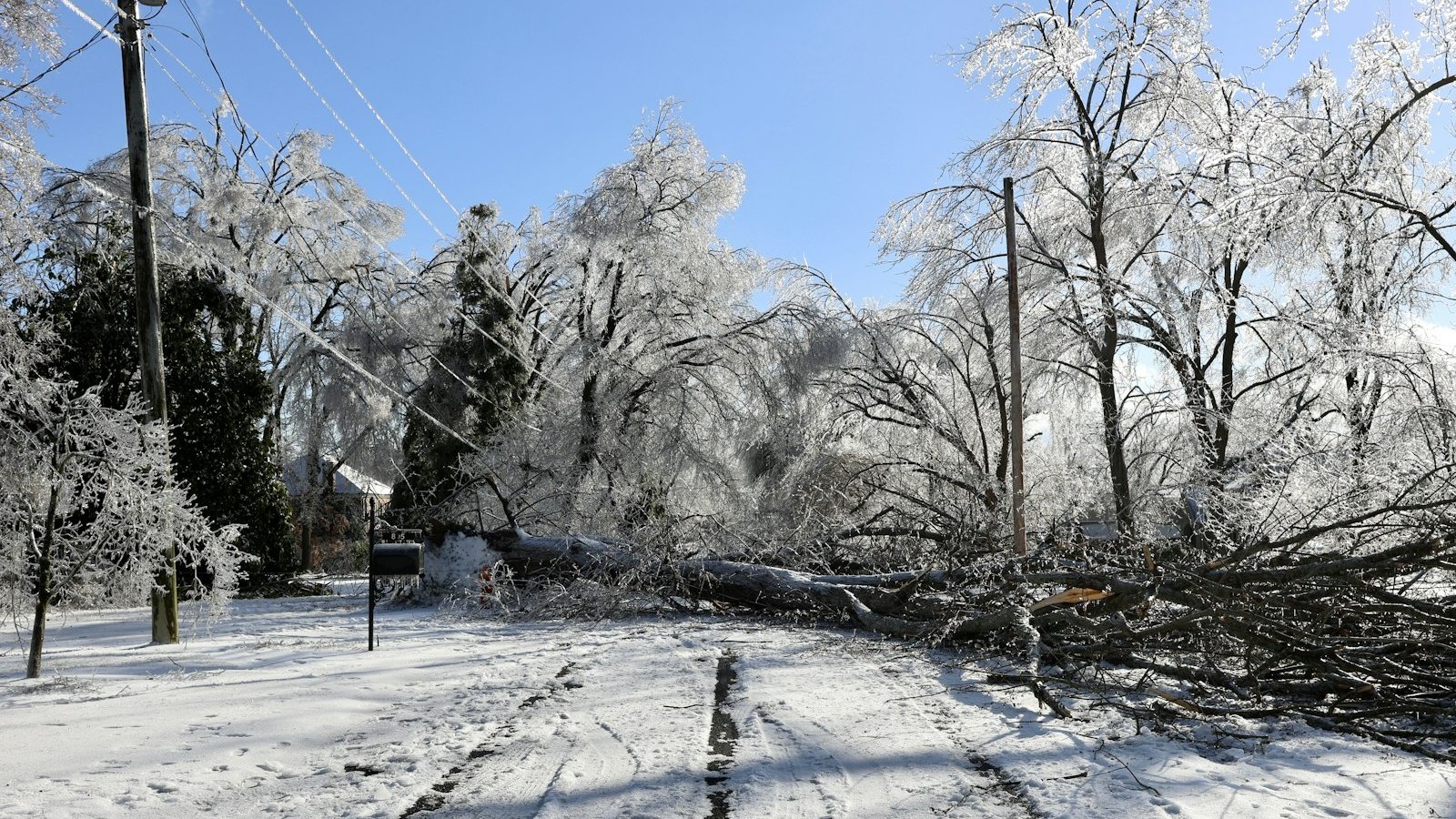
Winter outages are the hardest kind. Ice storms bring down trees and power lines, repairs can take days, and the house gets colder by the hour. The good news: a little preparation keeps your family warm and safe. Here’s how to get ready before the next ice storm, and what to do when the power goes out.
The #1 rule: never heat with the wrong things
Every winter, people are hurt or killed by carbon monoxide (CO) while trying to stay warm. CO has no smell and no color.
- Never run a gas generator inside your home, garage, basement or near open windows. Keep it at least 20 feet from the house, with the exhaust pointed away.
- Never use a gas stove, oven or charcoal grill to heat your home.
- Never bring a camp heater or propane heater indoors unless it’s specifically made for indoor use.
- Install battery-powered CO alarms on every level of your home, and test them each fall.
Before winter: your prep list
Stay warm
- Warm blankets and sleeping bags for everyone
- Hats, gloves and wool socks
- A few rolled towels to block drafts under doors
- If you have a fireplace or wood stove, get it inspected and stock dry wood
Light and power
- LED lanterns and flashlights, plus extra batteries
- Phone power banks, charged
- A portable power station for Wi-Fi, phones, lights, and medical devices like a CPAP
Food and water
- 3 days of food that needs no cooking (nut butter, crackers, canned fruit, granola bars)
- 1 gallon of water per person per day, for at least 3 days
- A manual can opener
Your home
- Know where your main water shut-off is, in case a pipe bursts
- Wrap exposed pipes in unheated areas (crawl spaces, garages)
Can a power station run a space heater?
Technically yes, but it’s not a good idea. A typical space heater uses about 1,500 watts. That would drain a 1,000Wh power station in well under an hour.
Smarter ways to use battery power for warmth:
| Device | Typical power | Runtime on a 1,000Wh station* |
|---|---|---|
| Space heater | About 1,500W | Under 40 minutes |
| Electric blanket | About 50–200W | About 4–17 hours |
| Heated mattress pad | About 50–150W | About 6–17 hours |
*Estimates using 85% efficiency. Actual times vary by model and setting.
Best plan: use an electric blanket at night to keep warm in bed, and save the rest of the battery for phones, Wi-Fi and lights. Not sure what your devices need? See how many watts you need in an outage.
When the power goes out
- Pick one warm room. Choose a small room with few windows, ideally on the sunny side. Close doors to other rooms and put towels under them.
- Layer up. Dress everyone in layers, including hats, even indoors.
- Open curtains during the day to let sunlight in, and close them at night to hold the heat.
- Keep the fridge and freezer closed. Food stays cold for about 4 hours in a closed fridge. A full freezer holds for about 48 hours (about 24 if half full).
- Let faucets drip and open sink cabinet doors so warmer air reaches the pipes. Moving water is less likely to freeze.
- Unplug electronics to protect them from a power surge when the power comes back.
- Check on neighbors, especially older adults and anyone living alone.
If you use a space heater (when power is on)
- Keep it at least 3 feet away from beds, curtains and anything that can burn
- Plug it directly into the wall, not into an extension cord or power strip
- Choose one with tip-over and overheat shutoff
- Turn it off when you leave the room or go to sleep
After the power comes back
- Plug things back in slowly, a few at a time
- Check the fridge: throw out perishable food (meat, milk, leftovers) that’s been above 40°F for more than 2 hours. When in doubt, throw it out.
- Check pipes for leaks as they thaw
- Recharge your power station and power banks right away, in case it goes out again
The bottom line
Stay warm with blankets, layers and one shared room, never with grills, ovens or a generator indoors. Get CO alarms, stock 3 days of food and water, and keep a charged power station for the essentials. For the full year-round list, see our power outage checklist for families.